
Section 1
“Corrosion resistant” is not a universal compatibility rating
Fiberglass is often selected for environments that are hard on conventional materials, but chemical performance varies by resin system and exposure. A statement that fiberglass resists corrosion does not mean that every fiberglass product is suitable for every acid, base, solvent or cleaning chemical.
Treat compatibility as a documented engineering and product-selection question, not a marketing assumption.
Section 2
Describe the exposure precisely
Chemical identity is only the beginning. Concentration, operating temperature, contact duration and whether the exposure is vapor, intermittent splash, washdown or immersion can change the result. Include foreseeable upset and decontamination conditions.
If exact process information is confidential, establish a controlled method for providing it to the appropriate supplier or technical reviewer.
Section 3
Review the complete scaffold
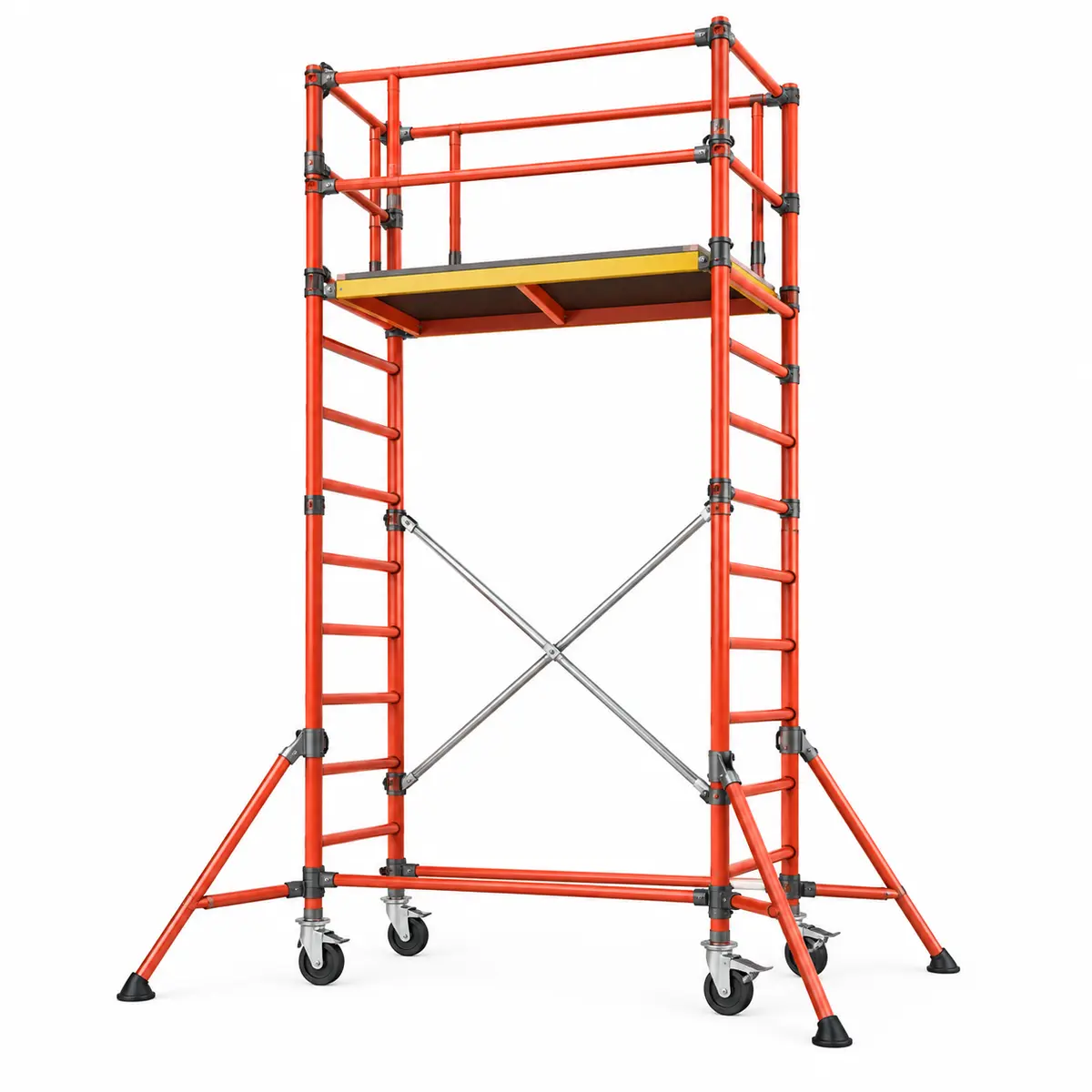
Frames may be fiberglass while platforms, fasteners, casters, brakes, connectors and labels use other materials. Each exposed component can become the limiting part of the configuration.
A component-level quotation and bill of materials makes the compatibility discussion more reliable than evaluating a tower photograph.
Section 4
Plan inspection after exposure
The employer should define what happens after a splash, release or decontamination event. The process may include isolation, cleaning, inspection and technical evaluation before return to service.
Do not use a general cleaning recommendation without confirming that the agent and method are acceptable for the exact equipment.
Section 5
Use federal chemical information as a starting point
The NIOSH Pocket Guide provides industrial-hygiene information for many chemicals and substance groups. It is useful for hazard research, but it is not a product-specific compatibility chart and does not replace the safety data sheet, facility program or manufacturer review.
Combine authoritative hazard information with exact product-material data and site-specific exposure details.
Primary references
Official sources and further reading
Use the links below to review the original source and confirm the current requirement, revision and applicability.