
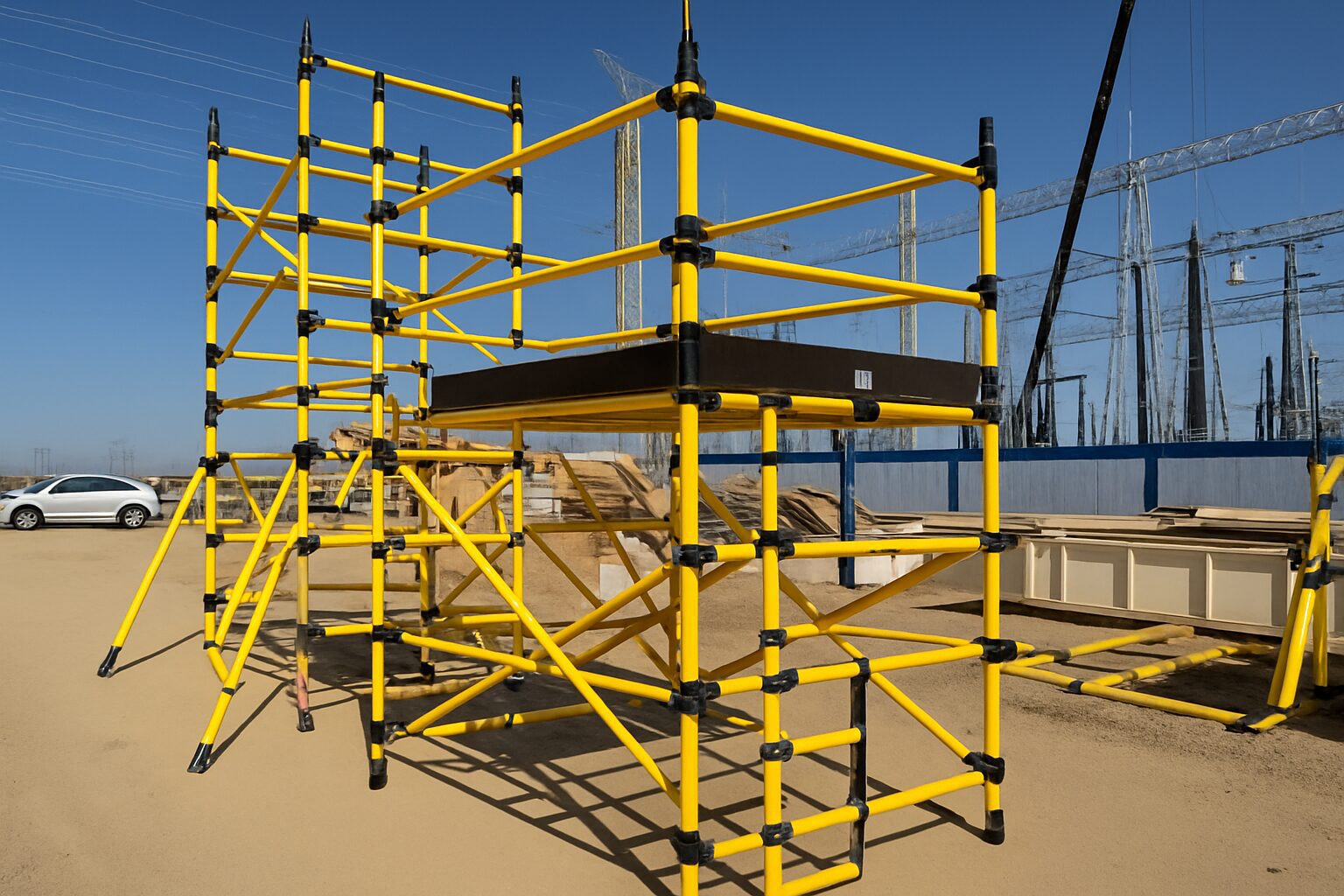
Section 1
Start with the correct regulatory context
OSHA construction scaffold requirements are principally organized under 29 CFR 1926 Subpart L. The subpart includes scope and definitions, general requirements, additional provisions for particular scaffold types, aerial-lift provisions and training. A useful purchasing process begins by identifying which rules apply to the work—not by treating “OSHA compliant” as a product feature.
The regulation applies to workplaces covered by the construction standards, while other work may fall under different requirements. Employers should identify the work activity, jurisdiction and controlling rules before relying on a checklist.
Section 2
Capacity and complete-system thinking
Section 1926.451 addresses scaffold and component capacity. Capacity cannot be inferred from the color, material or appearance of a tower. The maximum intended load includes people, tools, materials and other applied loads, and the allowable configuration comes from the complete system and its supporting information.
For fiberglass equipment, ask for the capacity and permitted configuration of the exact U.S.-supplied system. Do not import a foreign duty class into a U.S. quotation or combine components because they happen to connect.
Section 3
Platforms, access and fall protection
A platform is not a finished access system by itself. Platform construction, allowable gaps, distance from the work face, access, guardrail systems and falling-object protection must be addressed for the real task. The access opening is especially important: a practical plan explains how a worker reaches the platform without creating an unresolved gap in perimeter protection.
During quoting, identify the deck, hatch or access component, end and side rails, gates when applicable, toe boards or object-control measures, and every component needed at the intended height.
Section 4
Inspection and competent-person responsibilities
Jobsite conditions change. Components can be damaged, moved, contaminated or assembled differently from the prior shift. OSHA’s framework assigns important duties to competent persons, including recognition of hazards and authority to take corrective action. Product literature supports that work but does not replace it.
Create an inspection process that matches the manufacturer instructions and employer program. Questionable components should be removed from service and evaluated rather than repaired informally in the field.
Section 5
Training is part of the system
Section 1926.454 addresses training for employees working on scaffolds and separate instruction for employees involved in erection, dismantling, moving, operating, repair, maintenance or inspection. Training must match the hazards and the employee’s role.
Purchasing equipment without planning training, configuration control and storage leaves the implementation incomplete. Include those operational needs when comparing systems.
Primary references
Official sources and further reading
Use the links below to review the original source and confirm the current requirement, revision and applicability.